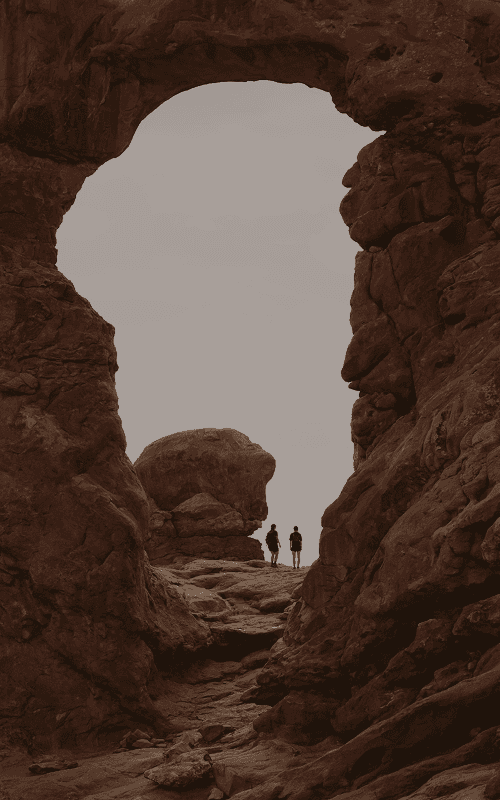
Exchange Student Guide: 5 Ways I Traveled 25 Cities
How I explored 25 European cities on a student budget using free walking tours, local apps, and hostel programs. A solo traveler's guide.

"How did you travel like that?"
This was the question I heard most after returning from my six-month exchange semester abroad. Twenty-five countries in total, one per week. Sure, plenty of people have visited more places by sheer numbers. But what caught people's attention wasn't the quantity. It was the quality. I wasn't interested in just snapping photos in front of famous landmarks. I wanted to figure out how to truly experience each place.
Despite being an unfamiliar face from Asia, I wanted to blend into the cities I visited. Instead of taking selfies in front of cathedrals, I wanted to sit among locals in a hidden jazz bar tucked away in some alley, sipping wine. Rather than following predictable tourist routes, I craved the tapas bars where people stopped after work, the parks they strolled through on weekend afternoons, the pubs buzzing until dawn. I wanted something exciting. And it had to be budget-friendly.
Search in English, Not Your Native Language
"10 things to do in (city name)"
Every trip began with Google searches. Of course, blogs back home had plenty of collective wisdom: restaurant recommendations, transportation details, admission fees, all neatly organized. But places already popular in those circles tended to be filled with tourists from home rather than locals. So I used Google more often.
"10 things to do in (city name)" was a search phrase passed down from a senior exchange student. Searching in English instead of my native language brought up insights from global travelers: small bookstores hidden in alleys, bakeries frequented by locals, things harder to find in domestic blogs. Being budget-conscious, I took it one step further: "10 free things to do in (city name)." This filtered results to show only free attractions.
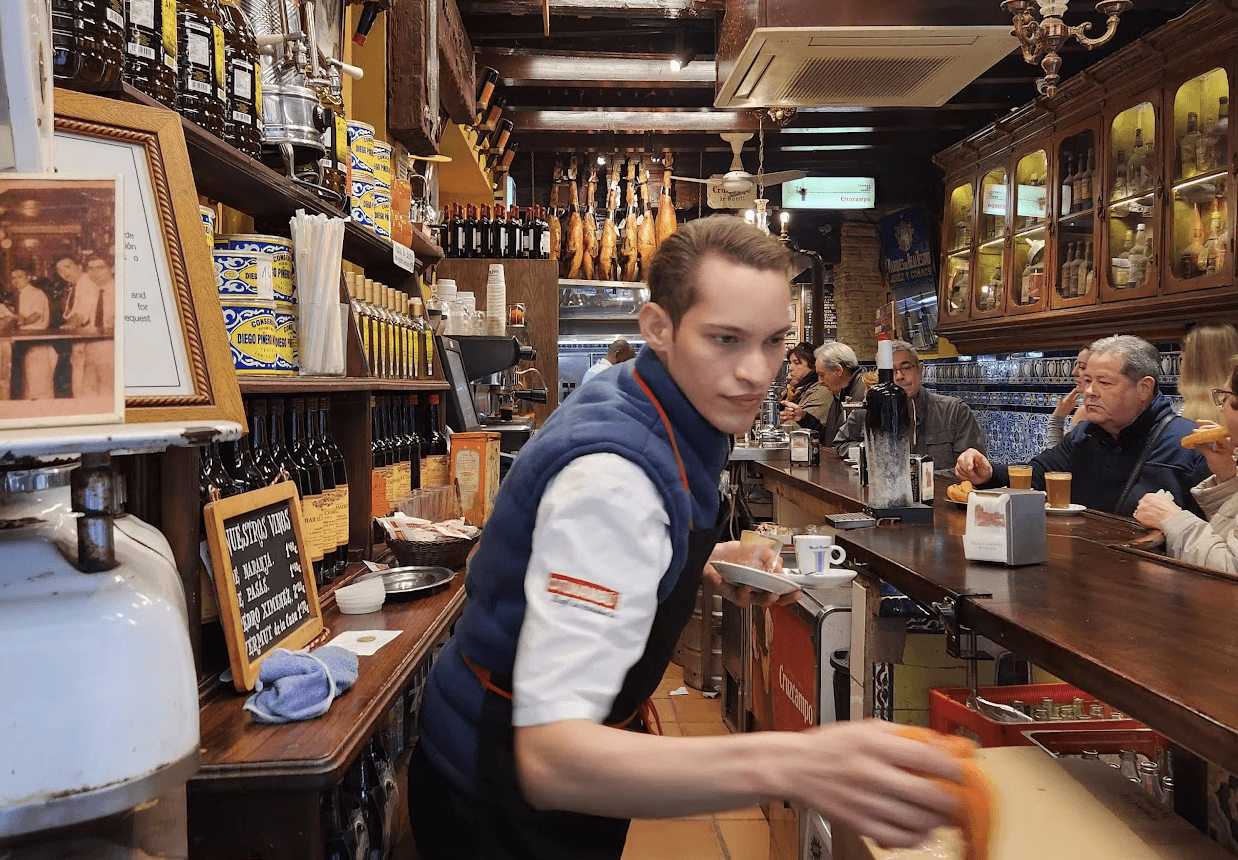
Whenever I arrived in a smaller city, I'd open Google and Instagram at the airport or train station, search these keywords in English, screenshot everything promising, and save it all to Google Maps. During the actual trip, I'd open my map and visit saved locations in order of proximity, creating my own personalized tour program. This method led me to tapas bars packed with locals late into the night.

Guru Walk: Free Walking Tours
Learning from Local Guides
Next up: an app called Guru Walk. It connects you with free walking tours led by individual locals, something I sought out constantly. Tours booked through major travel platforms typically cost 50-60 euros per person per day. Tours on this app are free. You just tip at the end, usually 10-20 euros. Technically you don't have to tip, but I never saw anyone skip it.
The real charm was the local guides themselves. Stories told by people actually living in these cities went beyond simple history or architecture lessons. From traditional weddings held in front of Seville's cathedral to recipes for tapas shared by grandmothers at market stalls, stories you won't find in textbooks. Since guides ranged from students to unemployed folks leading tours during free time on weekends, their styles varied widely.
Some awkwardly presented laminated materials they'd printed themselves. Others brought local chocolates to share with participants. Sure, these gestures might've been tactics for better tips, but there was genuine nervousness and care woven into each tour that made me feel their excitement alongside them. Once a guide's papers blew away in the wind and we all laughed as they chased them down. Another time an accent was so thick it took three tries before understanding what they said.
When You're the Only Guest
Once on Spain's island of Gran Canaria, when I booked a Guru Walk tour, I was the only guest who showed up. Just me and a local guide spending three hours together. It was practically a date. Out of gratitude, I gave extra-enthusiastic reactions throughout.
Near the end of tours became my routine question: "Where should I go next?" When followed up with "Doesn't have to be famous, just somewhere you love," guides usually recommended everything from restaurants to hidden travel spots.
One such recommendation led me to Agaete Piscina Natural on Gran Canaria, a place even Google hadn't revealed clearly. A natural swimming pool known only among locals, formed between blue ocean waters and black volcanic rock formations. When we arrived, I understood what people mean when they say photos don't do it justice. It felt better than those trendy Australian spots recently going viral online.
Why Guru Walk Works
Another advantage is that unlike major platforms lacking tours for less touristy small towns, Guru Walk often had options even there. Most offered both native language and English versions. If you spoke English decently, there weren't major language barriers. And since these involved zero bus or vehicle transport, 100% walking-based, they let you examine any given city more closely than any other type of tour. If package tourism shows you a city's surface, Guru Walk's walking tours show you its details.
Every tour left me thinking: "I don't even know my own city this well. Is it okay that now I know so much about this one?" The level of detail was striking. Ordinary tours would skip over tiny statues or clock towers or even cobblestones underfoot, but here every small piece comprising that city gained meaning through storytelling. Afterward when wandering alone, the city looked different somehow.
Get Your Guide App
City Tours and Activities
Another app I used frequently while researching local tours: Get Your Guide. Think of it as an international-focused platform. I mainly booked full-day city tours or activity packages here.
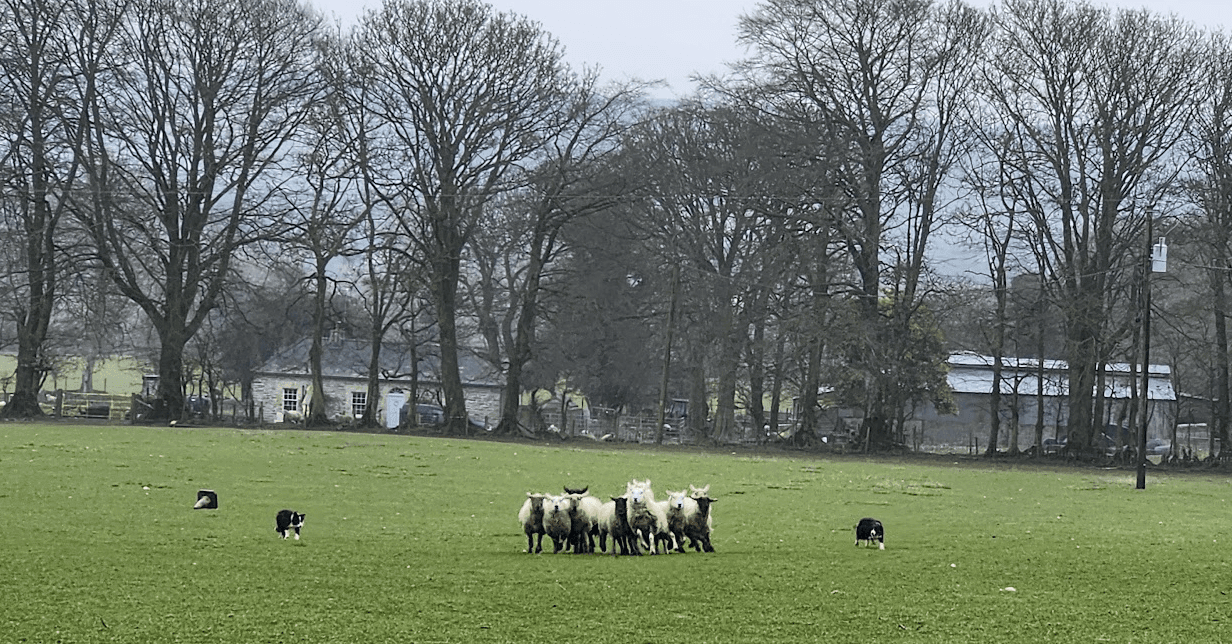
City tour packages typically involved small buses or vans transporting guests around 3-4 locations plus meals over 5-8 hours. Using these made exploring nearby towns easy without public transit while still getting guided explanations along the way. In Ireland via one such package, I watched traditional black sheep and Border Collie sheepdog shows live. Shepherds controlling dogs purely via whistling commands while dogs herded entire flocks together.
My second-most-booked category was activity packages: skydiving, rafting, kayaking, biking. While domestic platforms focused heavily upon walking or museum-type offerings, I loved activities so turned towards Get Your Guide instead.
Unintentional Dates
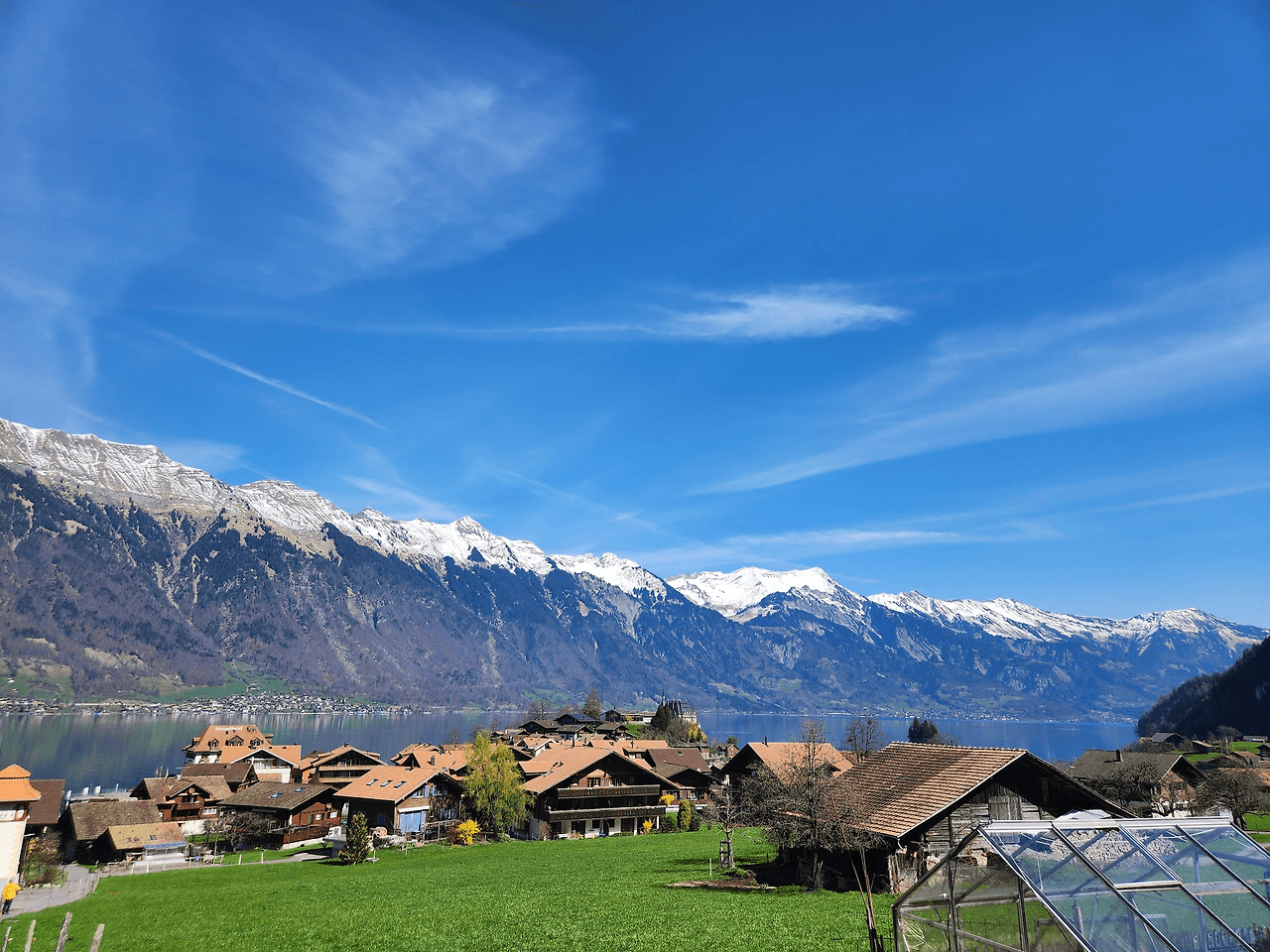
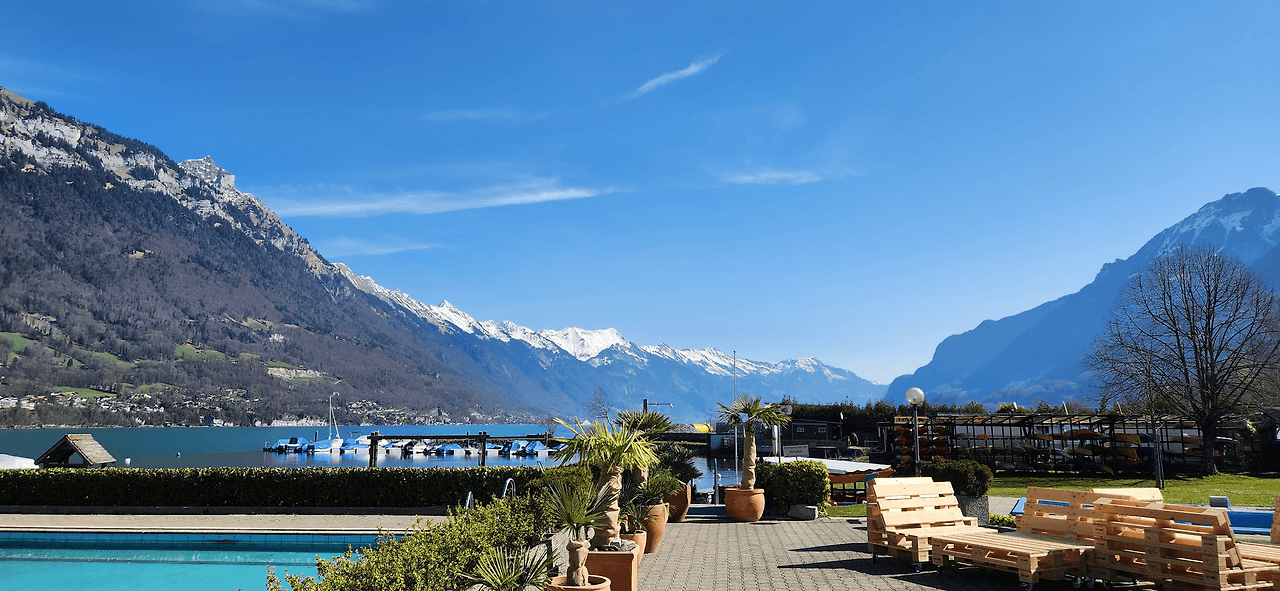
Once near Interlaken, Switzerland, I kayaked across a lake. I was the only participant signed up. Another date situation.
A Spanish guide kindly took photos enthusiastically, but execution-wise felt like well-meaning-but-unskilled boyfriend energy. Photos later emailed weren't quite framed how I imagined, but spending three hours paddling together across cold Swiss lake waters remains a fond memory. Dipping hands into water felt ice-cold. The kayak stubbornly refused going in desired directions, spinning in circles instead sometimes.
Compared with domestic agency tours usually involving 20-30 people in large groups, many apps offered smaller-scale options around just 4-8 people. Pricing also ran about 30-50% cheaper than comparable alternatives back home. Language-wise, most conducted entirely in English. Since nobody forced speaking, if listening comprehension worked fine, then no real issues arose.
Booking weekday day-trip products usually meant joining middle-aged couples primarily. As a lone young Asian exchange student, I sometimes stood out, but older couples kindly bought meals, took photos, and looked after me, creating many grateful memories.
Occasionally meeting solo travelers my age meant instantly bonding like lifelong best friends throughout the entire tour duration. Mutual awkwardness somehow made us stick closer perhaps. After tours ended we'd exchange Instagram follows before parting ways. Even now I occasionally see their daily lives pop up across feeds.
Pub Crawling
From 10 PM Until Next Morning
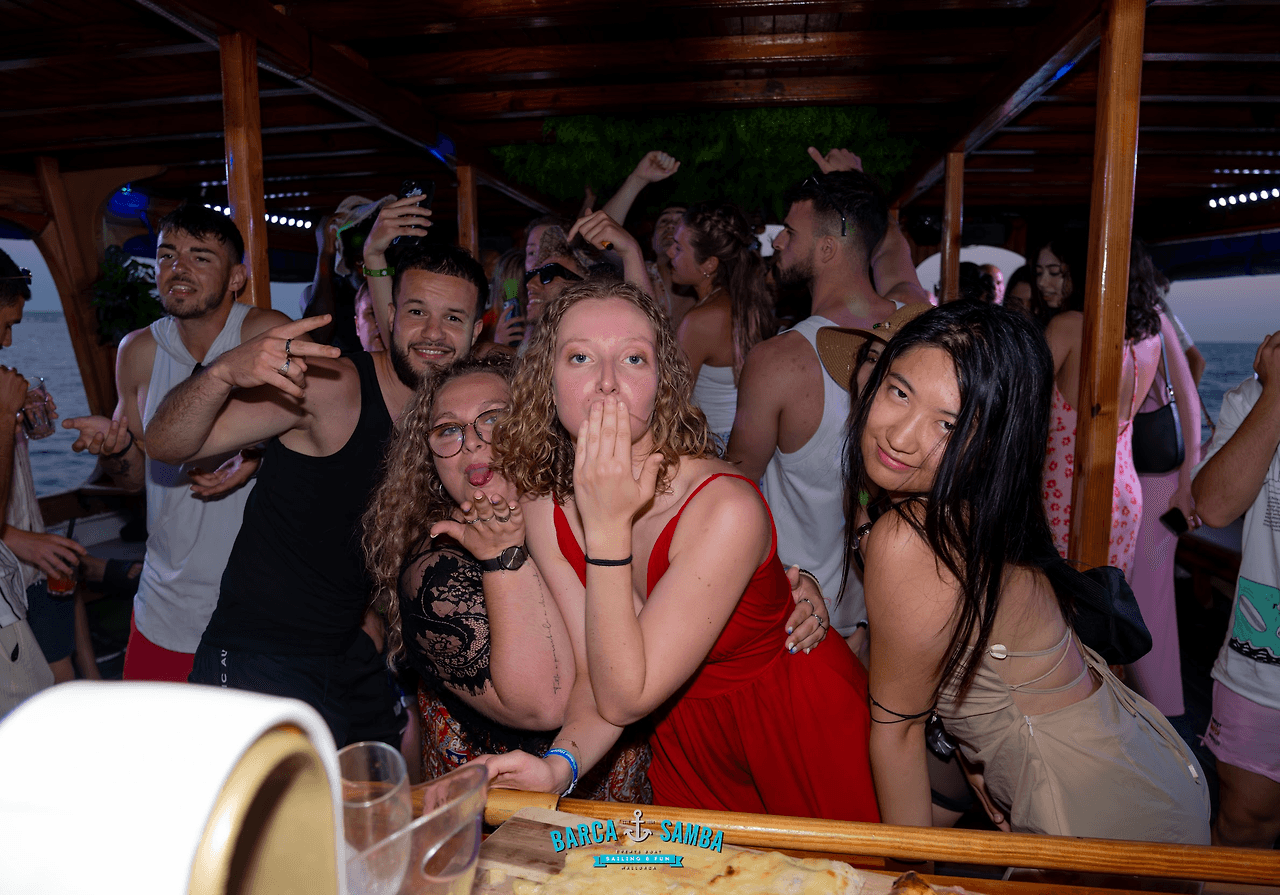
Get Your Guide's killer feature was Pub Crawling Tours. Essentially hopping between pubs and clubs alongside local guides showing off the hottest spots across any given city, something unimaginable before my exchange semester.
Typically starting around 10 PM and continuing until next morning. I never stayed till the absolute end myself so I'm unsure of exact cutoff times. I heard rumors some lasted till lunch the next day.
Barcelona's version started at a rooftop bar, then moved to a jazzy pub hidden behind alleys, finally ending at a club packed with locals exclusively. There are even sayings about missing half the Spain experience without enjoying nightlife properly. So visiting Spain means dedicating one flexible-schedule day towards pub crawling. Just prepare for sleeping in the next morning.
Why It Felt Safe Enough
Solo or just sticking among friends from home would've never given me courage to enter clubs. But having a group and guide provided relative safety. Guides always headcounted during transitions, ensuring nobody disappeared accidentally mid-tour. Wanting to leave early required informing the guide first. Some distributed glow-stick bracelets helping distinguish group members.
Depending upon the specific pub crawl type, some focused on jazz bars primarily while others emphasized clubs instead. Anticipation wondering about the next destination added fun throughout nights out. Usually seemed like visiting venues partnered with operating companies behind the scenes, but they still took us wherever was locally popular.
European Club Culture
One surprising aspect: European clubs lacked strict dress codes. Some clubs even had middle-aged couples dancing, which confused me initially. Thinking back now, maybe they weren't married couples necessarily either way. Europe lacks singing karaoke culture, instead preferring standing-and-dancing entertainment styles. The entire club image differed quite drastically compared to back home, something I noticed repeatedly over time.
Ireland being world-famous for pubs naturally had especially developed pub crawling culture. Irish pubs also featured tons of live performances. I attended something called a Silent Disco, wearing headphones playing music inside an otherwise empty room, doing dual simultaneous singalongs. Headphones offered two music options adjustable on the fly plus two DJs performing concurrently. Ireland being English-speaking let me join several pop song singalongs myself.

The Economics
Pricing stayed reasonable. Most pub crawl tours ran 20-30 euros including welcome drinks plus all venue entry fees combined together upfront. Going solo would've easily cost 40-50 euros minimum. However, clubs and pubs rarely involve single-drink-only situations realistically, so welcome drinks functioned almost sample-sized ultimately while everyone ordered additional rounds inevitably afterwards. Probably an intentional upselling strategy behind tourism companies.
Outgoing Latin American friends generously bought rounds covering nearby friends including myself frequently. I remember consecutively downing sweet orange tequila shots until throwing up in the bathroom. Still remember the Brazilian friend's name who helped me up inside the bathroom that night. Next morning we awkwardly laughed together upon crossing paths back at the hostel, mutually embarrassed somewhat.
Hostel Tour Programs
Hidden Programs Within Hostels
Sometimes wanting to join these tours alongside fellow global friends rather than solo meant checking whether my current hostel accommodation offered such programs themselves directly. This was an especially useful tip considering many exchange students utilize budget-friendly hostel stays frequently.
It varies by hostel brand and policies, but large European hostel chains like TOC operated diverse program offerings consistently: morning yoga classes through city walking tours ending with evening tapas tours. Most were either free or cost just around 10 euros to participate.
Hostels sometimes organized pub crawls directly too. A Portuguese hostel's free walking tour ended with us eating together afterwards spontaneously. A Belgium Ghent hostel offered river kayaking where the owner said "You're our first kayak customers this year" while launching us out. It was around March probably. Winters freeze rivers making it too cold to operate, pausing until spring starts resuming again. Finding hostel-linked programs proactively probably prompted their enthusiastic accommodation.
Kayaking Through Ghent
Kayaking through fairy-tale-beautiful Ghent's river proved challenging, steering properly, but created fun memories regardless. Paddling between medieval buildings along the flowing river underneath felt like time stopping almost. Whenever the kayak spun in circles uncontrollably, laughter erupted naturally.
Tapas tours whenever visiting Spain are highly recommended. Guides lead groups visiting 3-4 bars sampling regional representative tapas, helping understand Spanish food culture properly. Unlike tourist-agency restaurants catering to visitors, these visited actual local-frequented tapas bars authentically. Ordering diverse menus solo would've been impossible. Guides recommending everything meant experiencing real Spanish cuisine fully.
The People You Meet
Above all, hostel programs' biggest advantage involved fellow participants themselves. Travelers and exchange students from worldwide naturally befriending each other. Lingering in shared spaces the day before or same day, scoping out friendly-looking folks, then casually asking "Our hostel has this tour happening, wanna join?" worked surprisingly well consistently. Post-tour gathering at the hostel bar sharing beers and exchanging travel stories often led to making plans together for the next day spontaneously.
What Remains After Six Months
Six months passed leaving twenty-five cities behind numerically speaking. Looking back, not that quantity but rather moments blending into each city remain memorable. Gran Canaria's natural pool staring blankly oceanwards on lazy afternoons. Ghent's river with the kayak spinning in circles helplessly. Barcelona's hidden jazz pub sitting among locals late at night. And sentences courageously spoken despite loneliness and fear, pushing through anyway. The courage hidden within those sentences remains most valuable.
보나 로그 아티클 더보기